
Mood Machine: The Rise of Spotify and the Costs of the Perfect Playlist
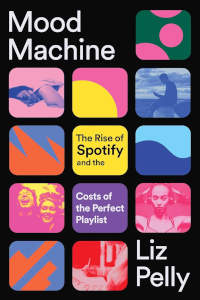
I've known now for a while that streaming is bad for artists, and while I still have and use my Apple Music subscription, I have been using it less and less, focusing on growing my music collection. This book focuses on Spotify and how it ruthlessly worked to cut costs squeezing more and more from musicians and songwriters.
Spotify's stated goal when it launched was to "level the playing field" for musicians and artists. While it would be a goal that could be great for all involved, like so many things in life, words sound better than the actions actually taken.
The book goes into how so much of the opportunities bands and musicians got came down to getting onto the right playlists. Getting onto a playlist could mean the difference between making any kind of money and walking away with nothing. To make matters even more challenging, it talks about how Spotify was paying for "ghost artists" to write songs for some playlists with lower royalty costs. They were then encouraging their curators to use more of these songs in their playlists, further pushing out bands and musicians who were trying to make a name for themselves. The further irony of this is that eventually many of the "ghost artists" eventually started complaining that there was no way to link their songs back to them.
One thing I thought was interesting was how Spotify's stance on AI was talked about. A company named Boomy, allowed their users to use AI tools to generate music and quickly post it to Spotify and split any royalties. Boomy eventually got banned from Spotify, not because AI was used, but because they were caught creating bots to generate fraudulent listens. This showed Spotify's stance...AI was fine so long as you didn't try to fraudulently drum up listens.
The book does talk about the one thing you can't really blame Spotify (or any of the streaming platforms) for, the consolidation of the music industry. The big labels control an overwhelmingly large percentage of the music market and their oversized influence gives them special deals with Spotify and the like which only further squeezes independent artists and bands. I more mention this because it is important to understand the full picture of the problem. And while the music industry at large does factor into things, Spotify in particular, should still shoulder a fair amount of the blame for its actions in the music business.
I'll end this with a quote from the book I thought was quite on the nose:
If DIY artists banking on the "opportunities" of the streaming landscape was like playing the slots, then there's another phrase from the casinos that comes to mind: "The house always wins."